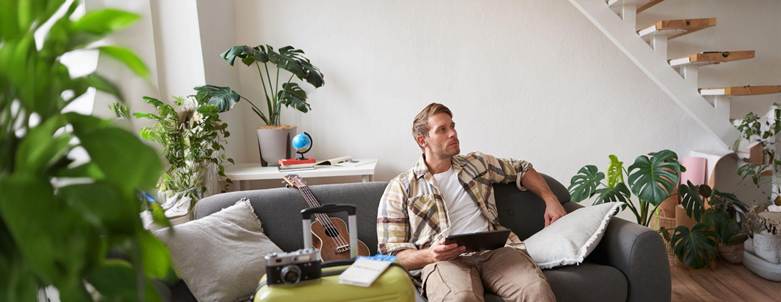
A well-designed home should do more than look beautiful, and Chris Rapczynski understands that thoughtful home design has a lasting impact on how people live, work, relax, and connect. While attractive finishes and architectural details contribute to a home’s appeal, successful design begins by understanding how each space will support everyday routines. When functionality and aesthetics are carefully balanced, homeowners enjoy living environments that remain comfortable, adaptable, and enjoyable for years to come.
Thoughtful design considers both the present and the future. It creates spaces that respond to changing lifestyles while maintaining timeless appeal through practical planning and careful attention to detail.
Every Design Decision Should Support Daily Living
The best homes are designed around the people who live in them.
Planning often begins by considering:
- Daily routines
- Family lifestyles
- Entertaining needs
- Work-from-home requirements
- Long-term flexibility
Understanding these priorities allows designers and builders to create spaces that feel both functional and welcoming.
Rather than forcing homeowners to adapt to the house, thoughtful design allows the home to support everyday life naturally.
Functional Layouts Improve Comfort
A beautiful home becomes even more valuable when its layout promotes efficiency and convenience.
Well-planned floor plans often include:
- Logical room connections
- Comfortable traffic flow
- Convenient storage
- Flexible living areas
- Clearly defined gathering spaces
These features help reduce unnecessary movement while making daily activities easier and more enjoyable.
Functional layouts create homes that feel intuitive rather than complicated.
Natural Light Enhances Every Room
Lighting plays an important role in shaping how a home feels throughout the day.
Thoughtful design incorporates natural light by considering:
- Window placement
- Room orientation
- Open floor plans
- Outdoor views
- Interior sightlines
Well-lit spaces often appear larger, more inviting, and more comfortable.
Natural light also helps strengthen the connection between indoor living spaces and the surrounding landscape.
Flexible Spaces Add Long-Term Value
Modern lifestyles continue to evolve.
Homes that include adaptable spaces can better accommodate changing needs such as the following:
- Home offices
- Guest accommodations
- Hobby rooms
- Fitness areas
- Study spaces
Designing rooms with flexibility in mind allows homeowners to adjust their living environments without requiring significant renovations later.
Adaptable homes remain functional through different stages of life.
Indoor and Outdoor Living Should Work Together
Thoughtful home design often extends beyond interior walls.
Creating strong connections between indoor and outdoor spaces may include the following:
- Covered patios
- Outdoor kitchens
- Large glass doors
- Landscaped gathering areas
- Comfortable seating spaces
These features expand usable living space while encouraging homeowners to enjoy the surrounding environment.
Blending interior and exterior spaces creates a more open and relaxing atmosphere.
Storage Should Be Planned, Not Added Later
Effective storage contributes significantly to everyday comfort.
Designers often incorporate storage solutions such as the following:
- Walk-in closets
- Built-in cabinetry
- Mudrooms
- Pantry organization
- Hidden storage features
Thoughtful planning reduces clutter while helping homeowners keep frequently used items organized and accessible.
Well-designed storage supports both functionality and visual simplicity.
Material Selection Influences Everyday Performance
The materials chosen for a home affect both appearance and long-term durability.
Quality selections often emphasize the following:
- Easy maintenance
- Lasting performance
- Timeless aesthetics
- Comfort
- Reliability
Choosing materials that balance beauty with practicality helps homeowners enjoy their spaces without unnecessary upkeep.
Durable materials also contribute to the home’s long-term value.
Collaboration Leads to Better Design
Successful home design depends on strong communication among homeowners, architects, designers, and builders.
Working together allows project teams to:
- Understand homeowner priorities
- Refine design concepts
- Solve practical challenges
- Coordinate construction details
- Maintain a consistent vision
Collaboration ensures that every decision supports both the design objectives and the homeowner’s lifestyle.
Shared expertise often leads to more creative and effective solutions.
Timeless Design Focuses on Lasting Value
Design trends naturally change over time, but thoughtful planning creates homes that remain appealing for decades.
Timeless design emphasizes the following:
- Balanced proportions
- Practical layouts
- Quality craftsmanship
- Enduring materials
- Functional living spaces
Rather than following short-lived trends, these principles help create homes that continue serving homeowners well as their needs evolve.
Long-term thinking supports both comfort and lasting value.
Final Thoughts
Thoughtful home design creates better everyday living by combining functionality, comfort, and timeless beauty into spaces that support the way people truly live. Careful planning, flexible layouts, natural light, quality materials, and strong collaboration all contribute to homes that remain enjoyable long after construction is complete.
When every design decision reflects both practical needs and long-term goals, a house becomes much more than a place to live. It becomes a space that enhances daily routines, strengthens family connections, and provides lasting comfort for years to come.