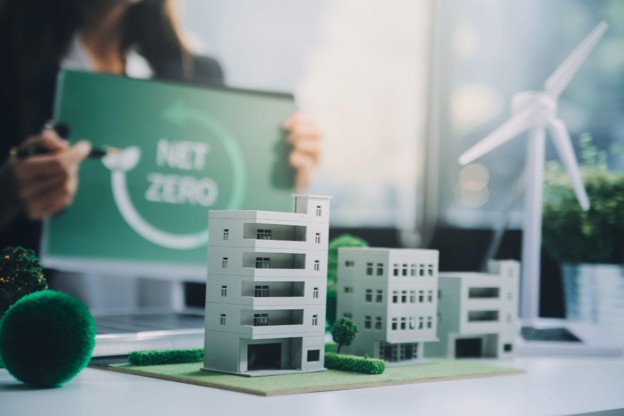
As homeowners place greater value on efficiency, durability, and long-term performance, Chris Rapczynski recognizes that sustainable building practices have become an essential part of modern custom home construction. Today’s approach to sustainability extends far beyond reducing environmental impact. It focuses on creating homes that consume energy more efficiently, require less maintenance, and provide healthier, more comfortable living environments for years to come.
Sustainable construction is no longer viewed as a specialized option. It has become a practical standard that benefits homeowners through improved performance, lower operating costs, and thoughtful design choices that support long-term value.
Energy Efficiency Begins During the Design Phase
Creating an efficient home starts well before construction begins.
Architects and builders consider factors such as the following:
- Building orientation
- Window placement
- Insulation performance
- Air sealing strategies
- Natural daylight
Planning these elements early helps maximize energy efficiency while improving indoor comfort throughout every season.
A well-designed home reduces unnecessary energy consumption without compromising style or functionality. It also allows natural systems like sunlight and airflow to work in harmony with mechanical systems, reducing strain on heating and cooling equipment over time.
High-Performance Materials Deliver Long-Term Benefits
Material selection plays a significant role in sustainable construction.
Many modern homes incorporate the following:
- Durable exterior finishes
- High-efficiency windows
- Advanced insulation systems
- Low-maintenance building products
- Responsibly sourced materials
These choices often improve durability while reducing maintenance needs over the life of the home.
Investing in quality materials also helps preserve both appearance and structural performance. In many cases, higher-performing materials reduce the need for frequent repairs or replacements, which ultimately minimizes waste and extends the life cycle of the home.
Efficient Homes Reduce Operating Costs
One of the most practical advantages of sustainable building is improved efficiency.
Energy-conscious design can help homeowners reduce expenses related to:
- Heating
- Cooling
- Lighting
- Water usage
- Routine maintenance
While construction decisions focus on long-term performance, homeowners benefit from greater comfort and lower operating costs throughout the home’s lifespan.
Efficiency becomes an investment that continues providing value year after year. Over time, these savings can offset initial construction costs while also contributing to a more predictable and manageable household budget.
Indoor Comfort Is Just as Important
Sustainability is not only about energy performance.
Thoughtful building practices also create healthier living environments by supporting:
- Improved indoor air quality
- Better temperature consistency
- Natural ventilation
- Moisture management
- Comfortable living spaces
These features contribute to homes that feel more enjoyable throughout every season while supporting overall occupant well-being.
Comfort remains one of the defining characteristics of successful residential design. A truly sustainable home is one that feels good to live in every day, not just one that performs well on paper.
Smart Technology Supports Sustainable Living
Modern technology complements sustainable construction by helping homeowners better manage their homes.
Popular features include:
- Smart thermostats
- Automated lighting controls
- Energy monitoring systems
- Efficient irrigation controls
- Smart home integration
These systems provide greater visibility into household energy use while making it easier to improve efficiency without sacrificing convenience.
Technology enhances sustainability by supporting informed daily decisions. When homeowners can track and adjust their energy usage in real time, they are more likely to adopt habits that reduce waste and improve overall efficiency.
Quality Construction Extends Building Life
Sustainability also means building homes that perform reliably for decades.
Careful craftsmanship helps reduce unnecessary repairs by emphasizing the following:
- Precise installation
- Durable construction methods
- Moisture protection
- Structural integrity
- Long-lasting finishes
Homes built with longevity in mind often require fewer major renovations, reducing material waste while protecting long-term property value.
Building well from the beginning remains one of the most sustainable decisions possible. A well-constructed home not only lasts longer but also maintains its performance and appearance with less intervention over time.
Collaboration Drives Better Results
Sustainable construction depends on teamwork throughout the project.
Architects, builders, designers, engineers, and homeowners each contribute valuable insight regarding:
- Material selection
- Design efficiency
- Construction methods
- Project priorities
- Long-term performance
Working together allows project teams to identify solutions that balance environmental responsibility, functionality, and aesthetic goals.
Collaboration strengthens every stage of the building process. When all stakeholders are aligned early, it becomes easier to make decisions that support both sustainability and overall project success.
Sustainability Is an Investment in the Future
As residential construction continues evolving, sustainable practices represent more than a trend.
They encourage homes that offer:
- Greater efficiency
- Lower maintenance
- Improved durability
- Enhanced comfort
- Lasting value
These qualities benefit homeowners while supporting responsible construction practices that remain relevant for future generations.
Sustainability also reflects a shift in mindset, where long-term impact is considered just as important as immediate results. This approach ensures that homes are built not only for today’s needs but also for tomorrow’s expectations.
Final Thoughts
Sustainable building practices are becoming the new standard because they combine thoughtful design, quality craftsmanship, efficient materials, and long-term performance into homes built to meet today’s expectations and tomorrow’s needs. Rather than focusing on a single feature, sustainability reflects a comprehensive approach that improves comfort, reduces operating costs, and enhances overall home performance.
By prioritizing energy efficiency, durable materials, smart technology, and careful planning, custom home projects create living spaces that provide lasting value while supporting responsible construction practices. Sustainable building is no longer simply an option; it has become an essential part of delivering exceptional homes designed to perform for decades. As the industry continues to evolve, these principles will only become more important in shaping the future of residential construction.