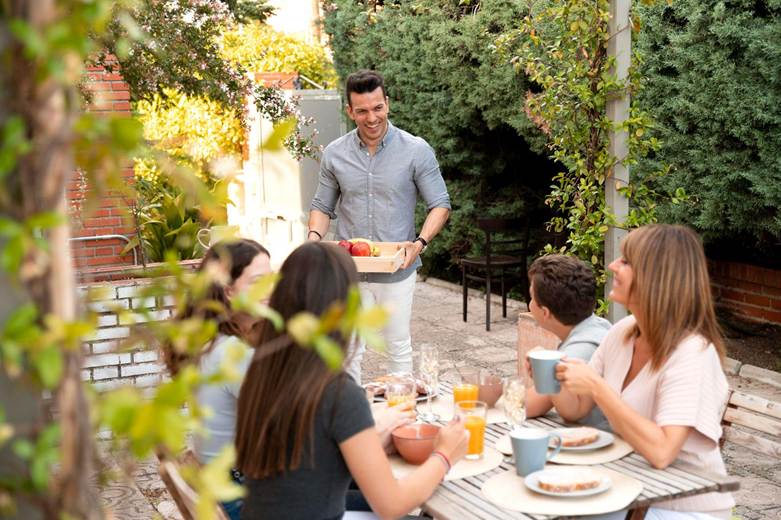
When people imagine a welcoming home, they often picture family dinners, lively conversations, or friends gathered around the kitchen island. While these moments feel spontaneous, Chris Rapczynski suggests that thoughtful residential design quietly encourages many of them. The layout of a home cannot create relationships, but it can create environments that make meaningful connection feel more natural, comfortable, and effortless.
Some homes seem to have an unmistakable quality.
Guests naturally settle into conversation. Family members linger a little longer after dinner. Children drift between spaces while remaining connected to the rest of the household. Holidays feel lively without feeling crowded, and everyday routines unfold with surprising ease.
Other homes, despite being beautifully designed, can feel disconnected. Rooms remain underused, entertaining feels awkward, and family members often retreat to separate spaces without much interaction.
The difference is rarely explained by square footage alone. More often, it reflects how the home has been planned to support human interaction.
Architecture cannot determine how people relate to one another, but it can influence how easily those interactions occur throughout everyday life.
Gathering Begins Long Before Furniture Arrives
Many people assume that creating inviting spaces is largely a matter of decorating.
Furniture, artwork, lighting, and finishes certainly contribute to atmosphere, but they cannot fully overcome limitations created by the architecture itself.
The underlying layout determines how people naturally move through a home.
Questions such as these often have a greater influence than homeowners realize:
- Where do people naturally pause?
- Which rooms connect visually?
- How easily can conversations continue between spaces?
- Are gathering areas easy to access without interrupting other activities?
- Does movement through the home feel intuitive?
These decisions shape how comfortably people interact long before furniture is selected.
The Kitchen Became the Heart of the Home for a Reason
For decades, formal living rooms often served as the centerpiece of residential design.
Today, many custom homes revolve around kitchens and adjacent living spaces. This shift reflects more than changing design preferences. It reflects changing lifestyles.
Modern kitchens are no longer simply places for meal preparation.
They often function as spaces for:
- Family conversations.
- Homework sessions.
- Casual dining.
- Entertaining guests.
- Holiday gatherings.
- Everyday collaboration.
Thoughtful architectural planning recognizes these multiple roles.
Rather than isolating the kitchen, many contemporary homes create visual connections between cooking, dining, and living spaces while still allowing each area to maintain its own identity.
This balance encourages interaction without sacrificing functionality.
Sightlines Encourage Connection
One of the most subtle principles of residential design involves what people can see from different parts of the home.
Architects refer to these relationships as sightlines.
Clear sightlines allow family members to remain visually connected even while participating in different activities.
For example:
- Parents preparing dinner can supervise children nearby.
- Guests can move comfortably between conversation areas.
- Natural light extends deeper into connected spaces.
- Family members feel connected without occupying the same room.
Visual continuity often contributes to a stronger sense of openness than simply removing walls.
A thoughtfully planned home balances openness with enough definition to give each area a distinct purpose.
Circulation Should Support Conversation
Every home contains circulation paths. These are the routes people naturally follow as they move between rooms. Good circulation does more than improve efficiency.
It influences social interaction.
When movement feels awkward or repeatedly interrupts conversations, gathering becomes less comfortable.
Successful circulation planning considers:
- Direct pathways that avoid unnecessary detours.
- Comfortable movement around seating areas.
- Easy access between indoor and outdoor spaces.
- Logical connections between entertaining zones.
- Natural transitions between active and quiet areas.
When circulation works well, people move effortlessly throughout the home without disrupting the experiences already taking place.
Scale Shapes the Way People Interact
Bigger rooms do not automatically create better gathering spaces.
In some cases, oversized rooms can actually make conversations feel less intimate.
Scale influences how people experience one another.
Ceiling heights, room proportions, furniture placement, and architectural features all contribute to whether a space feels welcoming or overwhelming.
Comfortable gathering spaces often share several characteristics:
- Human-scaled proportions.
- Clearly defined focal points.
- Flexible seating arrangements.
- Balanced openness.
- Appropriate distances between conversation areas.
The goal is not to maximize size.
It is to create environments where people naturally feel comfortable spending time together.
Outdoor Spaces Extend the Social Experience
Gathering no longer ends at the back door.
Thoughtfully designed outdoor living areas have become an important extension of the home itself.
Rather than existing as separate destinations, patios, terraces, porches, and courtyards increasingly function as connected living spaces.
Successful transitions between indoor and outdoor environments often include:
- Large openings that improve movement.
- Consistent flooring materials.
- Covered gathering areas.
- Outdoor kitchens or dining spaces.
- Comfortable seating arrangements.
- Strong visual connections to interior rooms.
These relationships encourage families and guests to move naturally between environments while maintaining a sense of continuity.
Homes Should Adapt as Families Change
One hallmark of exceptional residential design is flexibility.
The way people gather changes throughout different stages of life. Young families may prioritize shared play spaces. Teenagers may seek opportunities for both independence and connection.
Later, the same home may host extended family holidays or welcome grandchildren.
Rather than designing exclusively for one moment in time, thoughtful planning considers how spaces can continue supporting changing lifestyles.
Flexible gathering areas often remain valuable because they evolve alongside the people who use them.
This long-term perspective allows homes to remain both functional and meaningful for decades.
Great Homes Support Relationships Without Demanding Attention
The most successful gathering spaces rarely call attention to themselves.
Instead, they quietly encourage everyday interactions that gradually become part of family life.
- Morning conversations over coffee.
- Children sharing stories after school.
- Friends lingering after dinner.
- Holiday traditions repeated year after year.
These moments are created by people, but architecture can make them easier to experience.
Thoughtful planning provides opportunities for connection without forcing them.
That subtle distinction separates homes that simply look impressive from homes that genuinely support the people who live in them.
Designing Homes Around Human Connection
Residential design has always involved balancing beauty, function, and craftsmanship.
Increasingly, it also involves understanding how architecture influences everyday behavior.
Room relationships, circulation, sightlines, scale, and spatial organization all contribute to the way people experience one another inside a home.
While no architectural design can create meaningful relationships on its own, thoughtful planning can remove barriers that often prevent those relationships from flourishing.
The most memorable homes are rarely remembered because of one dramatic feature. They are remembered because they consistently create opportunities for people to gather, connect, and share experiences over many years. In that sense, great residential architecture is not simply about building beautiful spaces. It is about designing environments that quietly enrich the moments people value most.