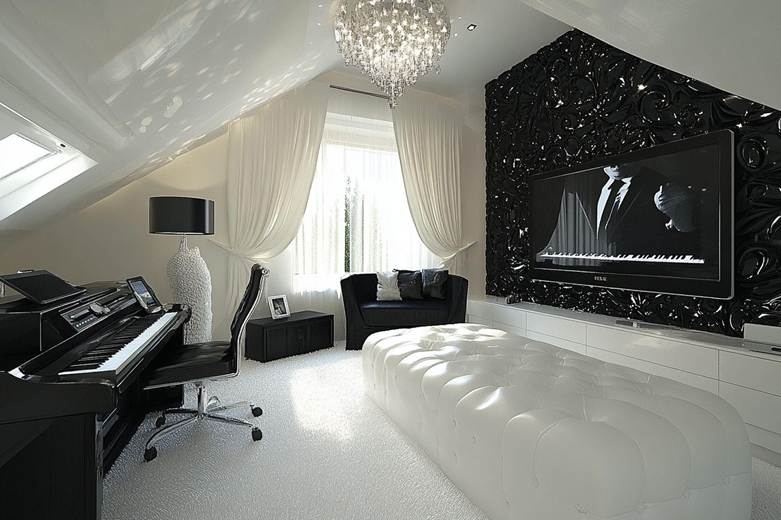
A home is mostly judged by what is easily visible, like beautiful finishes, expansive windows, dramatic staircases, or carefully selected materials. Yet Chris Rapczynski suggests that one of the defining qualities of an exceptional home is something people often notice only after they’ve lived there for a while: how it sounds. Thoughtful acoustic design has the power to shape comfort, privacy, productivity, and well-being in ways that are easy to overlook but impossible to ignore once experienced.
Luxury home design often emphasizes visual impact.
Architectural details, custom millwork, natural stone, and expansive glazing naturally draw attention because they are immediately visible. These elements create memorable first impressions and help define a home’s character.
Sound works differently.
Acoustics influence how a home feels rather than how it looks. When acoustic design is successful, most people never consciously notice it. Instead, they simply experience a home that feels calm, comfortable, and easy to live in.
Conversely, poor acoustics become noticeable very quickly. Conversations echo across large spaces, footsteps travel between floors, mechanical systems interrupt quiet moments, and outside noise finds its way indoors.
These seemingly small disruptions accumulate over time, affecting the daily experience of living in a home.
Acoustics Are About More Than Noise Reduction
Many people associate acoustics with making spaces quieter.
While reducing unwanted noise is certainly important, residential acoustics involve much more than simple soundproofing.
Good acoustic design focuses on how sound behaves throughout the home.
Questions designers often consider include:
- How easily does sound travel between rooms?
- Where should conversations remain private?
- How will ceiling height affect echoes?
- Which materials absorb sound, and which reflect it?
- How will mechanical equipment influence background noise?
- How should gathering spaces sound when filled with family and guests?
Rather than eliminating sound altogether, the goal is to create an environment where sound supports comfort instead of competing with it.
Every Material Changes the Way a Home Sounds
The materials selected for a home influence more than appearance and durability.
They also determine how sound moves through a space.
Hard surfaces such as stone, tile, glass, and concrete tend to reflect sound, making rooms feel brighter acoustically but sometimes increasing echoes and reverberation.
Softer materials absorb sound more effectively.
Examples include:
- Area rugs
- Upholstered furniture
- Acoustic wall treatments
- Fabric window coverings
- Carpeting
- Textured finishes
The relationship between these materials requires thoughtful balance.
A room filled entirely with reflective surfaces may feel loud and uncomfortable, while excessive sound absorption can make a space feel unusually muted.
Well-designed homes use a combination of materials to create environments that feel both lively and comfortable.
Privacy Begins With Sound
Privacy is often discussed in terms of walls, doors, and room locations.
Acoustic privacy is equally important.
Families frequently engage in different activities simultaneously.
Someone may be working in a home office while children are watching television. A conversation in the kitchen may occur while another family member is reading nearby. Guests may be visiting while others seek a quiet retreat.
Thoughtful acoustic planning considers these everyday realities.
Design strategies may include:
- Separating quiet and active areas.
- Locating bedrooms away from entertainment spaces.
- Reducing sound transfer between floors.
- Isolating mechanical equipment.
- Using construction assemblies that improve acoustic separation.
These decisions create homes where different activities can comfortably coexist without constantly competing for attention.
Mechanical Systems Should Be Heard Less, Not More
One of the most overlooked sources of residential noise comes from the home itself.
Heating and cooling equipment, ventilation systems, plumbing, and appliances all contribute to the overall sound environment.
Poorly designed mechanical systems can introduce constant background noise that gradually affects comfort without homeowners fully realizing why.
Successful residential design considers factors such as:
- Equipment placement
- Duct design
- Airflow velocity
- Mechanical isolation
- Equipment vibration
- Noise transmission through framing
These technical decisions rarely appear in marketing brochures, yet they significantly influence how peaceful a home feels years after construction is complete.
Open Floor Plans Require Acoustic Balance
Open-concept living has transformed residential architecture over the past two decades.
Large, connected spaces encourage interaction, improve natural light, and create visual openness.
They also introduce acoustic challenges. Without walls to interrupt sound, conversations, entertainment systems, kitchen activity, and household routines can easily overlap.
Rather than abandoning open layouts, thoughtful design seeks balance.
Architectural elements such as ceiling treatments, partial walls, built-in cabinetry, material transitions, and strategically placed furnishings help manage sound while preserving openness.
The objective is to create connection without creating constant noise.
Sound Influences Wellness
Research in environmental psychology increasingly demonstrates that sensory environments influence physical and emotional well-being.
Most discussions focus on lighting or air quality.
Sound deserves equal attention.
Excessive noise has been associated with:
- Increased stress
- Reduced concentration
- Interrupted sleep
- Mental fatigue
- Lower productivity
Conversely, environments with well-managed acoustics often support greater comfort, relaxation, and focus.
For homeowners working remotely, raising families, or simply seeking a peaceful retreat, these benefits become part of everyday life.
Acoustic comfort is not simply a technical achievement.
It contributes directly to quality of life.
The Best Acoustics Often Go Unnoticed
Perhaps the most interesting aspect of residential acoustic design is that success often feels invisible.
Visitors may comment on beautiful finishes or impressive architecture.
Few people walk into a home and immediately compliment its acoustics.
Yet they often notice something less tangible.
- The house feels calm.
- Conversations feel comfortable.
- Rooms feel welcoming.
- Bedrooms feel restful.
Thoughtful acoustic planning frequently shapes these impressions, even if people cannot identify the reason.
Like excellent lighting or intuitive circulation, successful acoustics quietly support the overall experience without demanding attention.
Designing Homes That Appeal to Every Sense
Exceptional residential design has never been limited to visual beauty alone.
People experience their homes through movement, light, texture, temperature, smell, and sound.
When these elements work together, architecture becomes more than an attractive structure. It becomes an environment that supports daily life in subtle but meaningful ways.
Acoustics are an essential part of that experience.
By carefully considering how sound travels, where privacy matters, and how materials shape the acoustic character of a space, designers can create homes that feel as comfortable as they look.
Luxury is often associated with what homeowners can immediately see. Yet some of the most enduring qualities of a well-designed home are experienced rather than observed. A thoughtfully designed acoustic environment may never become the centerpiece of a conversation. Still, it quietly enhances every conversation, every quiet evening, every night’s sleep, and every moment spent enjoying the place people call home.